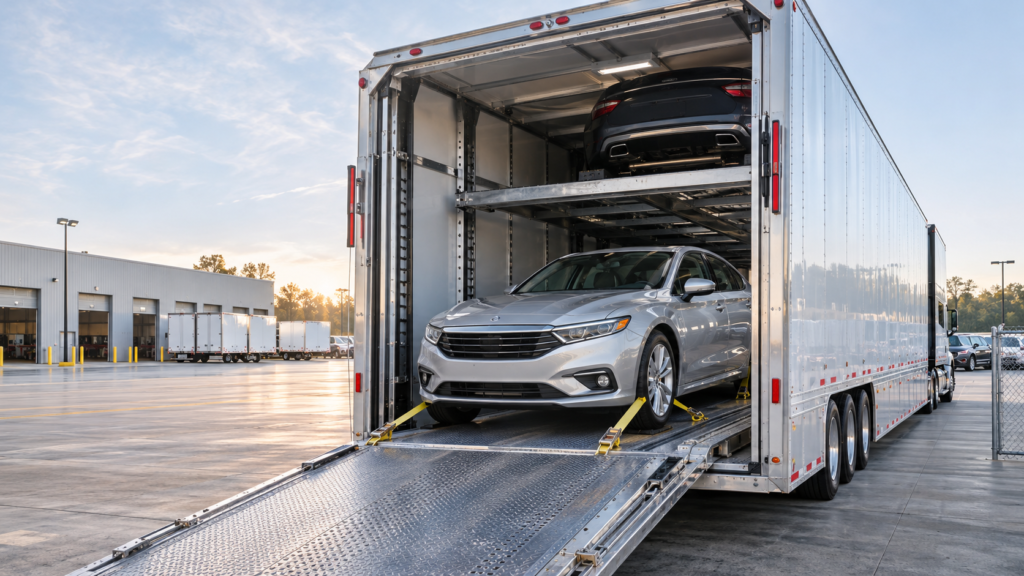
ship a car across the USA: Vehicle transportation works best when the route, vehicle condition, handover contacts and service expectations are documented before collection. Whether you are relocating, buying a vehicle from another state, or sending a car to a family member, a little preparation can make vehicle transport far less stressful. This practical car shipping checklist covers what to ask before booking, how to prepare the vehicle, and what to check at pickup and delivery.
Table of Contents
1. Identify the transport service you actually need
Start with the pickup and delivery ZIP codes, vehicle year, make, model, and whether it runs, steers, and brakes. Tell your shipping coordinator about modifications, low ground clearance, oversized tires, or anything that affects loading. An open automobile transporter and an enclosed transporter have different handling considerations; availability and pricing depend on the particular shipment.
Ask whether the party arranging transportation is acting as a motor carrier or a broker. In the United States, the Federal Motor Carrier Safety Administration (FMCSA) recommends that consumers verify an auto transport company’s registration and understand the carrier/broker distinction. Request the actual transport provider’s details before release when applicable, and ask what insurance documentation is available.
2. Gather the essentials for a reliable quote
- Route: complete pickup and destination addresses or ZIP codes, plus any site access restrictions.
- Vehicle: make, model, year, approximate dimensions, operable or inoperable status, and current condition.
- Timing: desired pickup window and any firm delivery constraints.
- Access: whether a large truck can safely reach each location; a nearby meeting point may be needed.
- Special care: enclosed transport preferences, nonstandard vehicles, and existing damage you want documented.
With GoCargo Logistics, shipping rates are quoted individually after we review your request. We do not publish a one-size-fits-all auto transport price or promise that an estimate is a confirmed carrier rate. Request a shipping quote with the route and vehicle details for a response by email.
3. Prepare the car before collection
- Clean the exterior enough to inspect the paint, body panels, and glass.
- Photograph all sides, wheels, odometer, interior condition, and any existing scratches or dents. Keep timestamped copies.
- Remove valuables, loose items, toll transponders, and aftermarket accessories that could detach. Ask the transport provider about its rules for personal belongings.
- Check for visible fluid leaks and disclose mechanical problems in advance. Confirm the fuel-level and battery requirements with the assigned transporter rather than guessing.
- Fold or secure mirrors and antennas only where appropriate for your vehicle. Keep a working key available for handover.
4. Treat pickup as an important inspection
At pickup, review the vehicle condition together with the driver or authorized representative. Read the bill of lading or inspection report, confirm the vehicle identity, and record any existing damage before signing. A clear pickup record helps everyone compare the vehicle’s condition at arrival.
5. Know how location updates work
A tracking page can help you follow reported shipment milestones, but a map pin alone is not proof that a driver is transmitting continuous satellite GPS. For GoCargo shipments, location information reflects the latest verified transport or dispatch update entered by the operations team; the displayed location may not represent the vehicle’s second-by-second position. Use your tracking number to view the latest reported status and submit a question about your shipment.
6. Inspect on delivery before you sign
Where it is safe to do so, compare the car against your pickup photographs and inspection paperwork. Note any new damage on the delivery record immediately, photograph it, and keep all documents and correspondence. Check your service agreement for the procedure and deadlines to report an issue.
Frequently asked questions
How long does interstate car shipping take?
Transit depends on the route, pickup window, transporter availability, weather, traffic, and any agreed service level. A quote should distinguish an estimate from a guaranteed service commitment.
Can I send a car that does not start?
Sometimes, but it must be disclosed before quoting because specialized loading or handling may be required.
Does the cheapest quote always offer the best value?
Compare the actual provider, documented responsibilities, available coverage information, and pickup/delivery terms—not price alone. FMCSA’s consumer information is a useful starting point for checking credentials.
Ready to plan your vehicle shipment? Tell GoCargo what you are shipping and where it needs to go. We’ll review the details and discuss suitable arrangements subject to confirmation.
Choose a transport method for the vehicle
When you ship a car across the USA, common arrangements may include open or enclosed vehicle transport, depending on availability, vehicle value, condition and protection preferences. Enclosed service typically has different capacity and cost considerations from an open carrier.
Ask the coordinator which service is actually available on your lane, where loading will occur and whether the car is eligible to roll, steer and brake. An inoperable vehicle may require different equipment and pricing.
Describe the car accurately for a quote
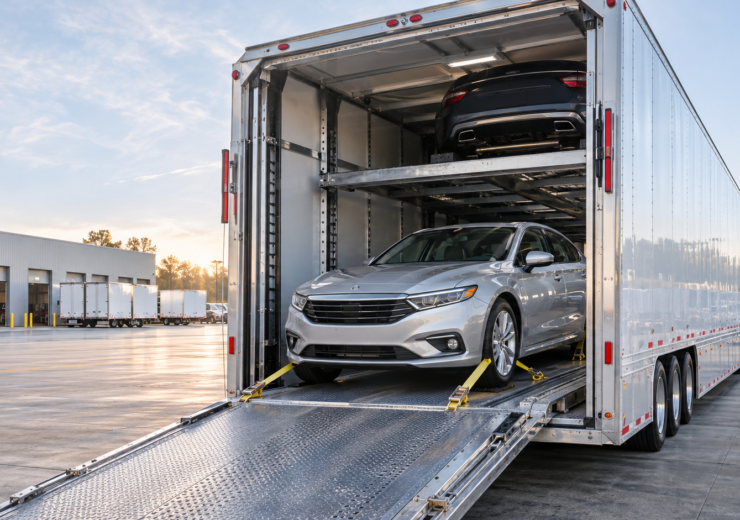
Provide the year, make, model, approximate dimensions, pickup and delivery ZIP codes, running condition, modifications and desired timeline. Oversized tires, low ground clearance, roof racks or nonstandard bodywork can affect loading.
Quotes may change if the provided details do not match the actual car. GoCargo provides a written, shipment-specific transport quote by email after reviewing the request, rather than promising one universal per-mile rate.
Plan realistic pickup and delivery windows
Vehicle haulers coordinate multiple cars, driver hours, loading locations and route constraints. The date a booking is requested may not be the exact date a truck can collect the vehicle. Obtain a confirmed plan and clarify how changes will be communicated.
Large transport trucks cannot safely enter every narrow street or private driveway. You may need to arrange a nearby legal meeting point with suitable clearance, safe parking and an authorized handover representative.
Prepare the vehicle for condition inspection

Remove loose personal property as required by the carrier, secure accessories, check for leaks and follow the transporter’s guidance on fuel level, battery and alarms. Take high-quality photographs of the exterior and any existing marks in good lighting.
Keep keys and any requested vehicle documents ready for the authorized driver. Do not leave sensitive personal papers inside without need. If the car has starting or braking faults, report them before the hauler arrives.
Review pickup and delivery documentation
At pickup, confirm vehicle identity and visible condition with the driver or authorized representative. Read the bill of lading or condition report carefully, and ensure any preexisting damage is documented.
At delivery, inspect the car before signing where possible, photograph any new concerns and note discrepancies using the carrier’s process. Keep a copy of every signed record, shipment confirmation and claim-related communication.
Know what vehicle tracking can show

Shipment trackers may record pickup, terminal events, in-transit updates and delivery confirmation. A route map showing two endpoints alone does not prove a moving truck is transmitting its GPS position to a customer-facing website.
For GoCargo, an authorized administrator can update the vehicle shipment’s last reported location and status based on dispatch or carrier information. Clients can consult that timestamped entry and contact support when an update needs clarification.
Understand coverage, exclusions and payment
Ask which party is responsible for transport, what cargo insurance or carrier liability terms apply and how any damage claim must be reported. Do not assume that ordinary auto insurance or a coordinator’s general coverage automatically pays every possible loss.
Confirm included services, potential accessorial charges, cancellation or delay provisions and accepted payment methods in writing. Verify any changed payment instructions using a previously trusted phone number or domain.
Seven steps before you hand over the keys
Select an eligible transport method, provide precise vehicle details, confirm the pickup plan, prepare and photograph the car, review handover documents, understand the location update method and check coverage and charges.
For cross-country vehicle transport, allow an honest planning buffer and retain a single point of contact. A professional coordinator should explain what is confirmed and what remains subject to carrier dispatch rather than claiming a guaranteed driver position or delivery minute.
Source: FMCSA Automobile Transporters Consumer Advisory. Updated for GoCargo readers in November 2026.