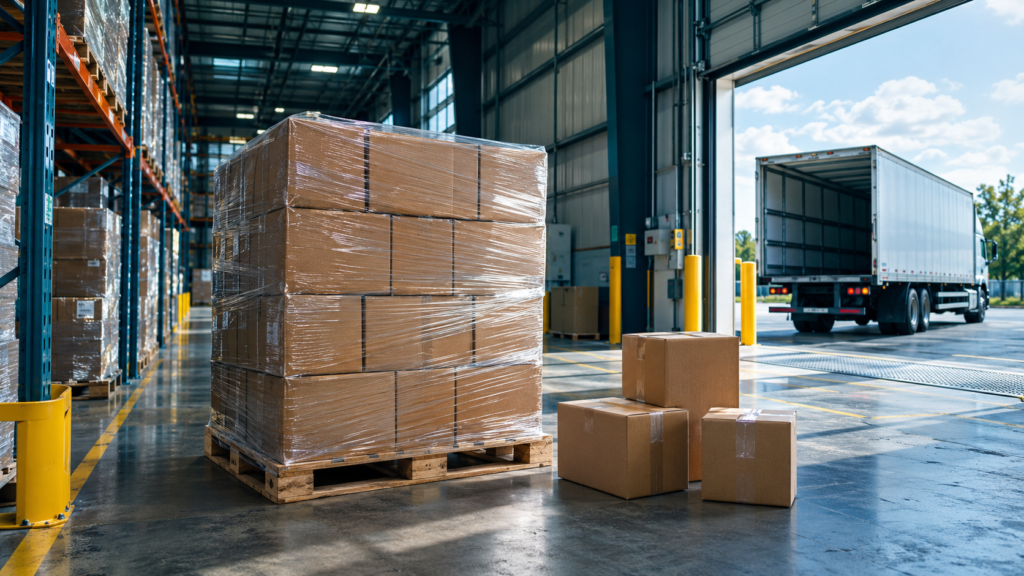
LTL freight: Less-than-truckload transport can fit cargo that is too large or heavy for an ordinary parcel network, but it involves its own packaging and delivery requirements. A single carton can often move through a parcel network. Ten heavy cartons of commercial inventory may be better prepared together on a pallet. The distinction between parcel shipping and less-than-truckload (LTL) freight affects packaging, equipment, handoff and pricing—and choosing the right path can prevent unnecessary handling problems.
Table of Contents
What is parcel shipping?
Parcel services are built around individual packages processed through a network of sorting facilities and delivery vehicles. Each box needs to comply with the carrier’s size, weight, content and packaging requirements. Parcels make sense for many smaller items, especially when they can safely travel as stand-alone cartons. Oversize surcharges and restricted-item rules can change that calculation.
What is LTL freight?
LTL means a shipment shares truck space with freight from other customers. The shipment is frequently palletized or crated so forklift operators can move it as a unit. The equipment, handling points and delivery appointment may differ from ordinary small-package service. Freight dimensions, weight, class or density, route and available services influence the quote. Not every route or product is eligible.
When a pallet makes sense
- Several cartons are headed to one recipient and can be secured together.
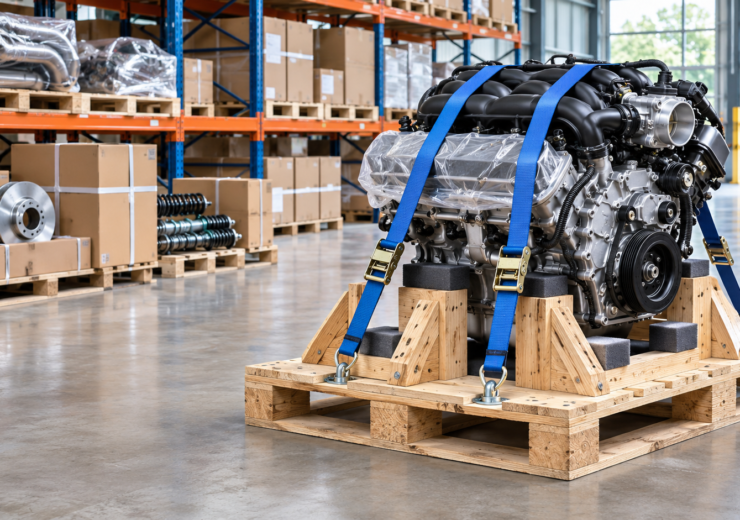
- An engine, transmission or industrial component needs stable, reinforced handling.
- The assembled shipment is too bulky or heavy for a standard parcel option.
- Commercial receiving has forklift or loading-dock access.
- The value of reduced loose-piece handling may outweigh extra freight preparation.
One pallet is not always cheaper than multiple parcels. Ask for a quote under both eligible approaches when the shipment is near the service boundary. FedEx’s freight packaging guide explains general preparation principles.
How to build a transport-ready pallet
Choose a pallet that is sound, dry, suitable for the load and accepted by the carrier. Place heavier packages low, distribute weight evenly and avoid dangerous overhang. Use adequate stretch wrap, banding or approved restraints to make the goods and pallet move as one unit. Heavy metal pieces need engineered blocking and bracing, not just plastic film. The final overall dimensions include the loaded pallet itself. For individual packaging, keep cartons sealed and protect corners.
Receiving access and extra services
Freight often requires more information than a parcel label: commercial or residential address, loading dock, forklift availability, liftgate needs, limited access, appointment window and safe unloading arrangements. These requirements can create additional charges or route constraints. A carrier may decline an unsafe or improperly prepared load, even if collection was scheduled.
Details to include in a freight quote request
- Describe the commodity and whether it is new, used, fragile or regulated.
- State the number of pallets or crates and the item count.
- Provide combined loaded dimensions and actual weights, with photos.
- Identify required pickup/delivery equipment and access restrictions.
- Share the origin, destination, preferred dates and any insurance questions.
Frequently asked questions
Can a heavy item move without a pallet?
Sometimes, but only if the chosen service approves the packaging, handling and equipment. Engines and heavy machinery frequently need suitable crating or pallet protection.
Does freight include inside delivery?
Do not assume it. Standard handoff often differs from residential doorstep service; quote inside delivery or other assistance separately where offered.
How parcel and pallet networks differ
Parcel carriers typically process individual cartons through sorting facilities and standardized delivery routes. A pallet can combine multiple pieces into one secured handling unit, but it may need a forklift, dock or liftgate. LTL freight shares trailer capacity among multiple shippers, so the movement may include terminals and transfers. Neither approach is automatically cheaper or faster for every item.
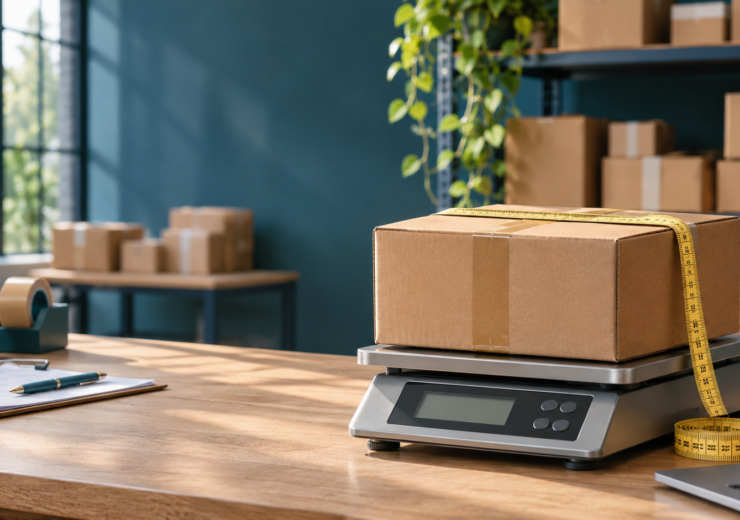
Before requesting a quote, record the number of pieces, packed dimensions, weights and whether the cargo is stackable. A carton eligible for parcel transport does not always need a pallet, and a pallet may be unsuitable for certain high-value or unusual items without additional protection.
A strong pallet starts with the load
Use a sound pallet appropriate for the actual cargo weight and footprint. Place heavier pieces low, distribute weight evenly, keep cartons within the pallet edges where practical and secure the load with suitable stretch wrap, straps or other approved restraints. Fragile products may need bracing, dividers or a crate. Avoid assuming that plastic wrap alone can stabilize a heavy machine.
For engines and motor parts, review lifting points, fluids and protruding components before loading. Our engine freight guide discusses questions to resolve with the carrier.
Understanding freight measurements and class
An LTL freight quote may use dimensions, weight, commodity description, freight classification and handling characteristics. Classification systems vary by market and can be revised. A shipper should not guess a classification only to obtain a lower figure. Provide the true contents and packaging method so the provider can evaluate them.
Measure the finished pallet from its widest and tallest outside points, including stretch wrap and protection. Weigh the entire handling unit rather than the product alone. If multiple pallets are shipped, supply each pallet’s details separately.
Pickup equipment and delivery access
A commercial loading dock with a forklift presents different conditions from a residence without unloading equipment. Ask whether the carrier can access the site, whether a liftgate is available and whether an appointment or inside service is requested. Some lanes or vehicle sizes may not be suitable for a narrow driveway or restricted road.
When using LTL freight for a home delivery, clarify the point of handoff in writing. Do not assume a driver will unpack, carry the item inside, install equipment or remove the pallet unless that service is explicitly included.
Transit estimates and tracking checkpoints
Shared-trailer transport often involves consolidation and hub transfers, so the published transit estimate may not function like a next-day parcel promise. Pickup schedules, terminal operating days and local delivery appointments affect the time. A freight tracker may show milestone scans rather than a moving vehicle marker.
GoCargo can display dispatch-reported updates and the latest verified location on its tracking page, but those updates should not be confused with continuous GPS telemetry. Ask the coordinator which events are reported and what to do if the recipient needs to change an appointment.
Bill of lading and shipment paperwork

A bill of lading generally records key information about cargo, parties and transport arrangements. Check descriptions, piece counts, weights, pickup and delivery instructions, and any references before signing. Inaccurate documents can cause disputes, missed appointments or billing changes. Keep a copy of the shipping instructions and proof of handoff.
Different commodities or international routes may require extra paperwork. A bill of lading is not, by itself, proof that customs duty or every service fee has been paid. Review the actual carrier terms and any official notices before responding to an unexpected request.
Compare the complete freight quote
When comparing LTL freight offers, list the cargo specifications and every service assumption. Ask whether the price includes residential access, liftgate service, scheduled delivery, special handling and potential remeasurement or reclassification. If the goods are valuable, request the actual liability or protection terms and any relevant exclusions.
GoCargo Logistics sends a personalized quote by email after the shipment details are reviewed. A submitted inquiry is not a guaranteed booking or fixed public tariff. See how shipping costs are calculated for a broader comparison.
Seven final steps before a pallet is collected
Inspect pallet condition; secure the load; measure and weigh after packing; verify cargo eligibility; document the condition; confirm loading arrangements; and retain written freight terms. Take photographs showing the finished unit from each side. The recipient should know what equipment and appointment window to expect.
If a shipment contains unusual dimensions, live animals or regulated materials, tell the provider before scheduling. LTL freight can be an excellent fit for eligible bulky goods, but the right choice depends on a complete description and carrier acceptance.
See GoCargo road freight or request a tailored freight quote with cargo photos and access details.